

Manufacturing process optimisation is the systematic analysis and refinement of production workflows to increase output and quality. It aims to reduce resource inputs such as time, labour, energy, and material waste.
In food and powder processing, inefficiency at any single stage compounds across every batch that follows. Individually, a conveying line that runs slightly under capacity, a blender cycle that runs a few minutes long, or a discharge point that clogs twice a shift seems minor. Over a full production run, they add up and determine whether a facility hits its throughput targets.
But through process optimisation methodologies and digital technologies, powder handling facilities can see efficiency improvements in conveying, weighing, blending, and discharge.
Core Methodologies for Process Optimisation in Powder Handling
Effective manufacturing process optimisation draws on these operational methodologies:
1. Lean Manufacturing
This approach focuses on eliminating non-value-added steps and reducing waste across the production line. In powder handling, production process optimisation means:
- Specifying the right equipment from the outset
- Matching the blender type to the powder’s characteristics to prevent segregation and ingredient loss
- Designing the powder conveying system to eliminate unnecessary material transfers, pressure losses, and manual handling steps
2. Theory of Constraints
This process optimisation methodology identifies the single greatest bottleneck limiting overall system throughput and addresses it before tackling other improvements. For powder processing facilities, the constraint is frequently the interface between the conveying system and the blender.
Inconsistent feed rates, line chokes from oversized conveying runs, or undersized blender capacity can create upstream pressure. But no individual equipment upgrade can resolve this without addressing the system as a whole.
It’s important to correctly size the conveying line to match the blender’s intake rate and specify powder-mixing equipment with capacity aligned to that feed rate to remove the pressure point at the source.
3. Process Standardisation
This production optimisation method minimises batch-to-batch variation by establishing precise, repeatable operating parameters across the blending and weighing stages.
These elements help reduce product waste and quality failures across powder production runs:
- Standardised ingredient addition sequences
- Defined blending times and rotor speeds for each product
- Documented Clean-in-Place (CIP) procedures
Digital Technologies That Accelerate Process Optimisation
Modern powder handling facilities rely on integrated digital technologies to monitor, control, and continuously improve their production processes.
Supervisory Control and Data Acquisition (SCADA) and Automated Recipe Management
A SCADA-integrated control system enables precise, repeatable execution of blending recipes without manual intervention. Ingredient quantities, blending speeds, cycle times, and discharge sequences are programmed and recalled automatically. This approach can reduce the likelihood of human error and ensure every batch meets specification. Pneu Powder Systems designs and supplies fully integrated SCADA control systems for food manufacturing and powder blending, including batch traceability and reporting.
Real-Time Process Monitoring
Level sensors across silos and day bins, load cells on weighing hoppers, and pressure monitoring on conveying lines generate continuous operational data. This gives production managers live visibility into material flow, fill levels, and system performance. As a result, they can respond immediately to deviations before they affect batch quality or cause unplanned stoppages.
Proactive Maintenance Systems
Manufacturing process optimisation in powder processing also involves reducing unplanned downtime through these initiatives:
- Moving from reactive to proactive maintenance
- Scheduling inspections and component checks based on operational data
For blending and conveying equipment, this means regular seal checks to prevent dust leaks and surface condition monitoring to avoid product contamination.
Key Benefits of Manufacturing Process Optimisation
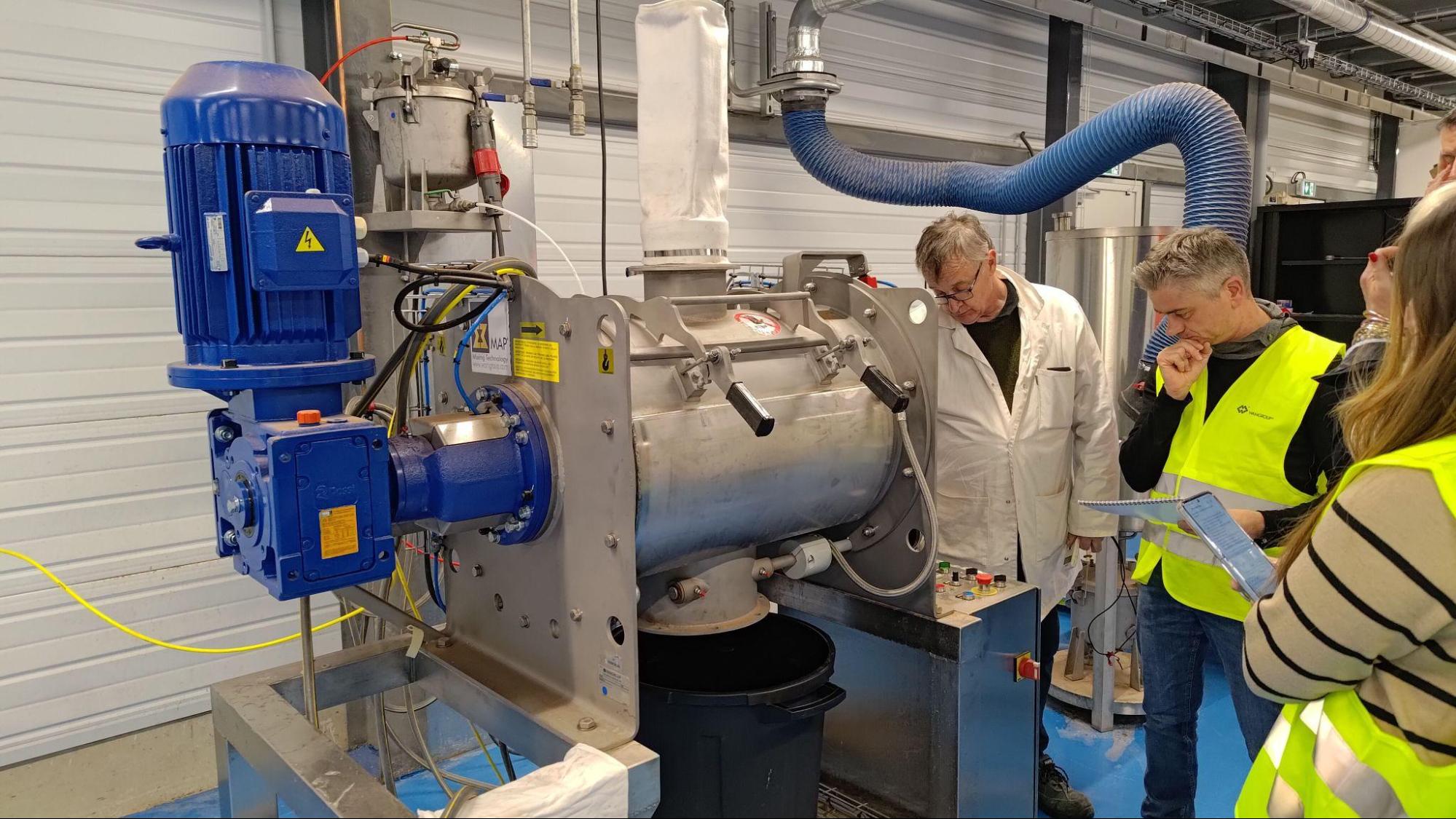
Applying these production optimisation methodologies and technologies produces measurable outcomes for a powder processing facility:
- Higher Productivity: A well-optimised powder handling and blending line maximises throughput across existing equipment without additional capital expenditure.
- Lower Operational Costs: Correct equipment specification, automated recipe control, and proactive maintenance reduce material waste from rework and segregation, shorten cleaning cycles between product runs, and lower energy consumption.
- Consistent Product Quality: Standardised blend parameters, accurate weighing, and automated controls protect batch-to-batch consistency, reducing the risk of non-conforming production in regulated food and dairy environments.
Optimise Your Powder Handling and Blending System with Pneu Powders Systems
Manufacturing process optimisation in powder handling requires designing every component as part of a connected system. That is precisely the approach Pneu Powders Systems brings to every project. Our team designs and supplies complete powder handling solutions, from storage silos to pneumatic conveying.
If your production line is losing time or product to a bottleneck you haven’t fully identified, our engineering team can help. Contact Pneu Powders Systems to discuss a powder handling system or food manufacturing solution designed around your specific process optimisation goals.

