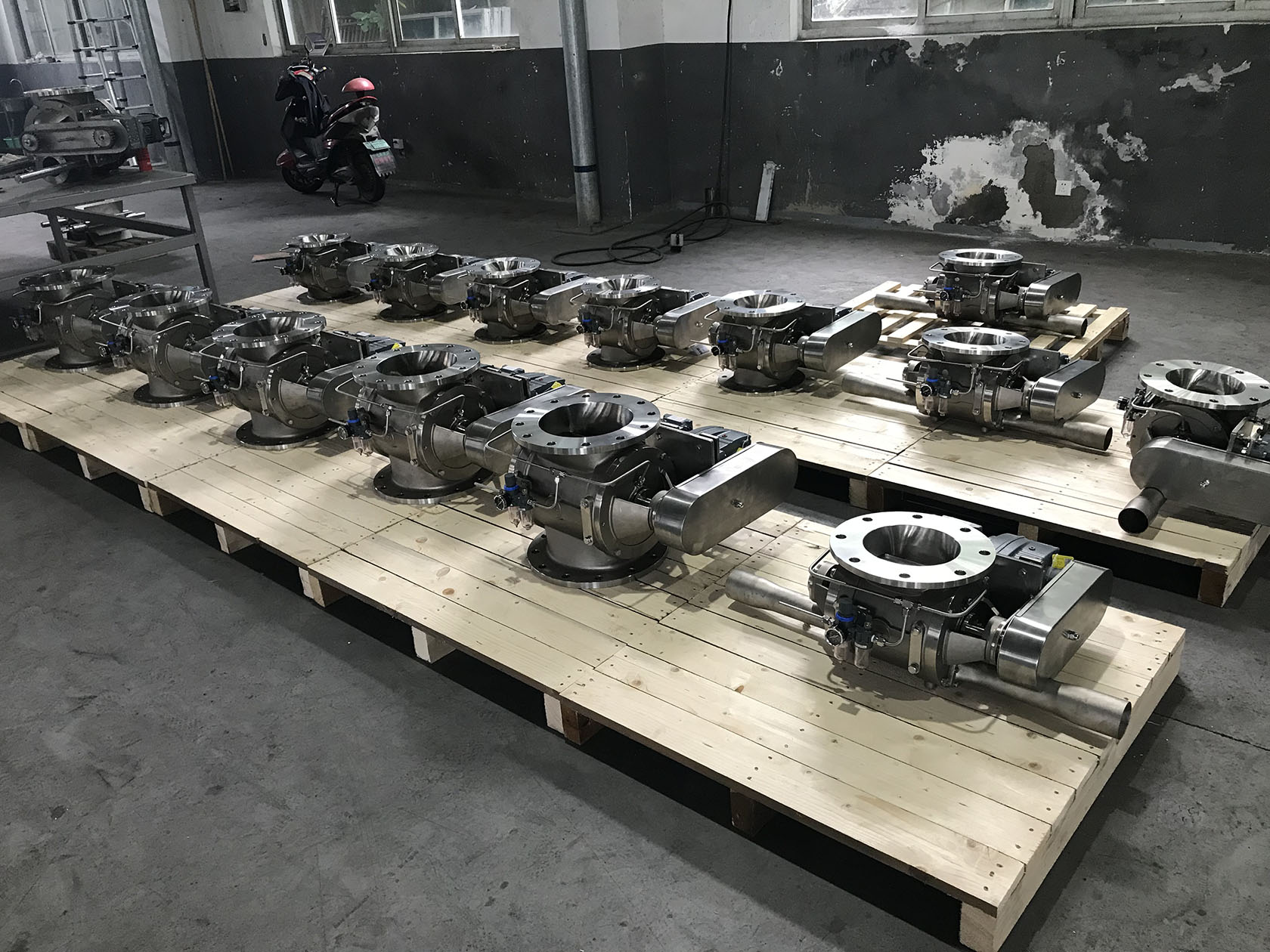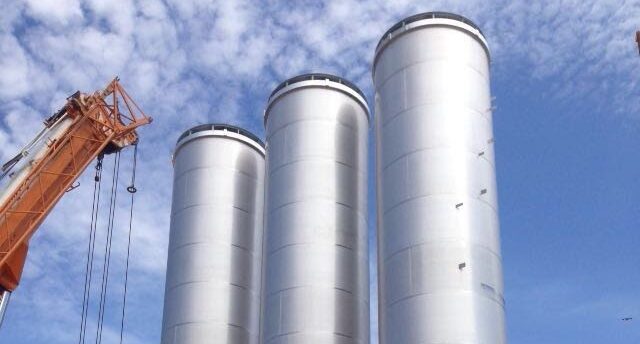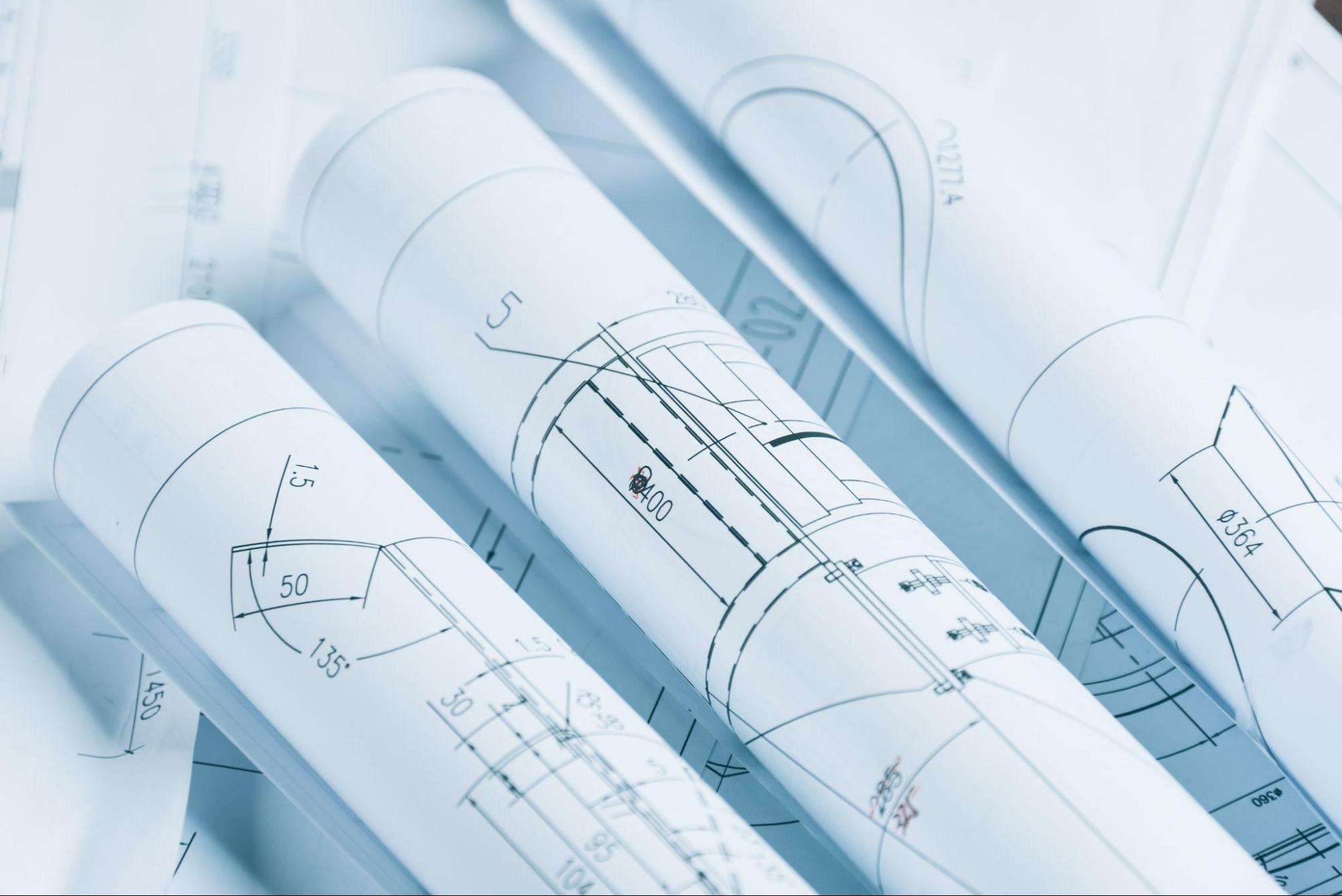
Dense-phase conveying system is engineered specifically for the high-concentration transport of bulk materials in “plugs” or wave-like slugs. It utilises reinforced pressure vessels and regulated feeding mechanisms, managed by advanced control systems, to maintain a stable flow that protects material integrity and prevents high-speed degradation.
What is Dense-Phase Conveying Design?
Dense-phase pneumatic conveying moves material at a low velocity but under high pressure, which can lower energy consumption over extended distances. This method relies on a “slug” or “plug” flow, where the material occupies the full diameter of the pipe. Because particle velocity remains low, pipe erosion is reduced, a significant advantage for maintaining the quality of premium food ingredients and fragile powders and granules.
While the initial capital expenditure is higher due to the use of reinforced pressure vessels and sophisticated instrumentation, this architecture represents a strategic investment in long-term reliability. These robust components enable a more controlled environment for material transfer, which is essential when handling high-value bulk solids.
Successful operation depends on meticulous calibration of this specialised hardware. Consequently, achieving a functional dense-phase conveying design demands high-level engineering expertise to ensure that air-to-material ratios and pressure drops are managed accurately.
Dense-Phase Pneumatic Conveying Types
A dense-phase conveyor is categorised by whether it pulls or pushes the material through the pipeline:
1. Dense-Phase Vacuum Conveying
Often referred to as a “pull” system, vacuum conveying is frequently chosen for applications where material must be drawn from multiple intake points to a single destination. This setup is particularly effective for heat-sensitive materials. Because the vacuum pump is situated at the discharge terminal, the product avoids contact with the thermal energy generated by the motor, preserving the material’s structural and chemical properties.
2. Dense-Phase Pressure Conveying
A dense-phase conveying system using pressure is a “push” configuration. It is ideal for high-capacity, long-distance transfers of heavy bulk solids from a single source to multiple discharge points. By using a pressure vessel, or “sender,” these systems move large volumes of material with high efficiency across complex plant layouts.
Dense-Phase Conveying System Design Considerations
Designing a dense-phase conveyor requires comprehensive technical planning because the physics involved is far more sensitive to error than in dilute-phase setups. Achieving stable operation requires the synchronisation of three technical pillars:
1. Material-Specific Calibration
Effective dense-phase conveying system design begins with a thorough analysis of the product’s bulk density and flowability. Because every ingredient behaves differently under pressure, engineers must calibrate the system to maintain stable slug flow. Fine-tuning the air-to-material ratio is required to prevent line plugging while keeping velocities at the minimum threshold to protect the product.
2. Aeration and Friction Reduction
For difficult, non-free-flowing powders, aeration is introduced at the feed point to separate the particles and lower the coefficient of friction, allowing the bulk solid to behave somewhat like a fluid. By reducing resistance to the pipe walls, the material can be moved with significantly less force, further protecting the granules’ structural integrity.
3. Strategic Airflow Control
Advanced dense-phase systems often incorporate air boosters or injectors along the pipeline that re-pressurise the line at specific intervals to prevent material slugs from stalling. This controlled push ensures consistent movement throughout the entire conveying distance without the need for high-velocity air at the start of the line.
Partner with Experts Who Can Design a Dense-Phase Conveying System
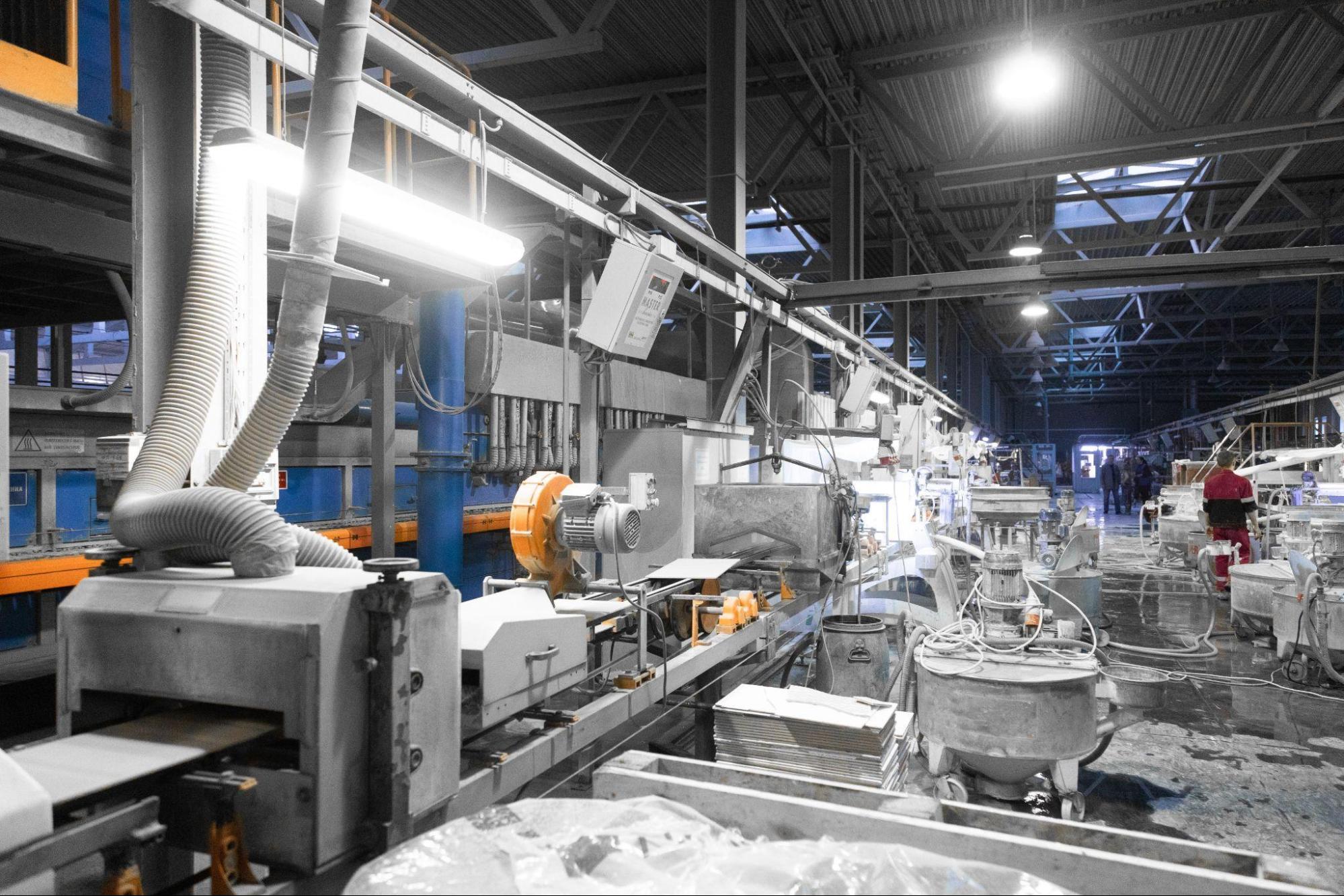
Dense-phase engineering protects fragile materials and optimises energy use through controlled, low-velocity transport. By prioritising calculated calibration and optimised airflow, manufacturers can reduce product degradation and maintenance costs across their production lines. This level of technical sophistication requires a partner who understands the complexities of material behaviour under pressure.
As a trusted pneumatic conveying system manufacturer, Pneu Powders Systems brings over 30 years of experience and provides comprehensive food manufacturing solutions tailored to specific material characteristics and facility requirements. From the initial pneumatic conveying system design to final commissioning, our team supervises every technical milestone to ensure each installation reaches peak operational performance.
Reach out to our team today to discuss a bespoke solution for your powder handling requirements.