While the basic function of a silo is to store bulk material, each type has different applications, strictly governed by the specific material characteristics and long-term process requirements. Therefore, simply calculating the required storage capacity is inadequate for planning.
Instead, operational variables like moisture sensitivity and spoilage risks often dictate whether your application requires the versatility of a metal silo or the specialised low-oxygen unit for fermentation. For example, a grain bin engineered to preserve delicate crops differs vastly from a concrete structure built to withstand heavy abrasives or a tower silo meant for high-density silage.
Successfully aligning infrastructure with production needs requires comprehensive knowledge of the specific silo types, their characteristics, and what they are used for.
Different Types of Silos and their Applications
The following classifications detail how specific silo configurations are matched to material properties and industrial applications.
1. Grain Bins
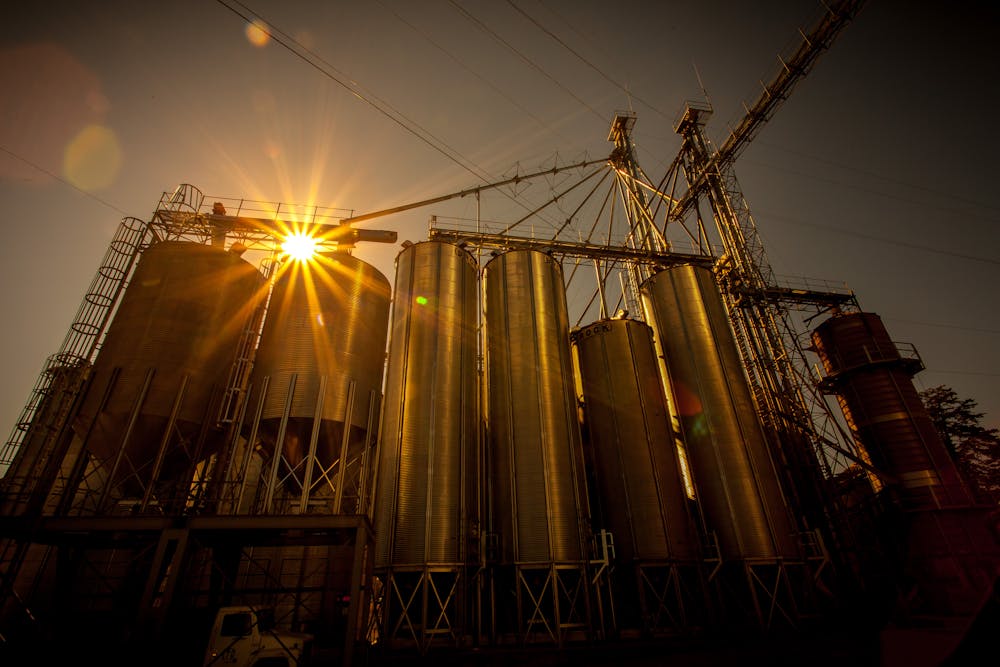
Grain bins are a type of silo typically constructed from corrugated steel. They are specifically engineered to store and preserve harvested crops like corn, wheat, and soybeans. To prevent spoilage and retain the quality of dry grain over long periods, an advanced aeration system that controls temperature and humidity within the bin is required.
2. Concrete Silos
Concrete silos are known for their extreme durability and ability to withstand high internal pressure, making them suitable for applications involving abrasive or heavy bulk solids, such as coal, cement, or aggregates. This robust construction ensures longevity even under the most demanding operational conditions.
3. Low-Oxygen Silos
This type of silo is completely sealed, designed solely to minimise oxygen ingress and create an anaerobic environment. Low-oxygen silos are required for storing fermented feeds like haylage because they halt the microbial activity that leads to spoilage. Through this isolation, the vessel maintains the nutritional integrity of the feed and prevents decomposition during extended storage.
4. Metal Silos
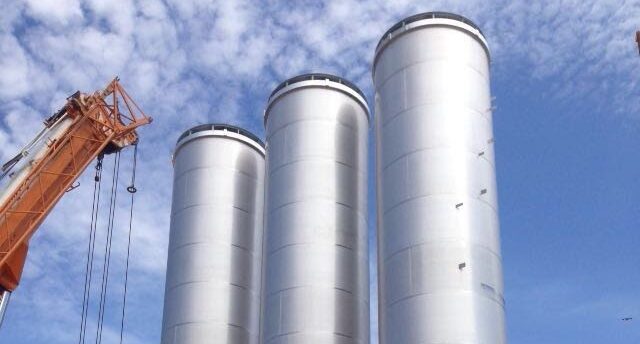
Metal silos form a highly adaptable storage solution, available in both bolted and welded steel configurations. Their versatility makes them a common choice for integrated bulk material handling systems, especially for managing materials such as animal feed, plastic pellets, grains, and flour. In addition to their broad application range, metal silos typically offer faster installation times compared to concrete structures. They can be customised extensively to meet the specific hygiene, safety, and operational requirements of modern food manufacturing environments.
5. Tower Silos
Recognisable by their tall, cylindrical profile, these classic structures use gravity to achieve high compaction. As material accumulates, the sheer weight forces air out, aiding the fermentation process. This mechanism makes them particularly effective for products like silage, where high density is a priority.
Why Regular Silo Maintenance is Required
Consistently monitoring the condition of a storage vessel is necessary to prevent structural failure and costly operational downtime. Therefore, a strict maintenance schedule is required to protect a significant capital investment and guarantee a safe working environment.
Regular maintenance should focus on these three areas:
- Structural Integrity: Inspections identify early signs of distress, such as cracks, corrosion, or loose bolts, before they escalate into critical failures.
- Operational Efficiency: Routine cleaning ensures consistent material flow by clearing blockages and preventing common issues such as rat-holing or bridging that obstruct discharge.
- Safety Compliance: Maintaining the vessel mitigates risks to plant personnel, ensures the facility meets strict safety standards, and prevents accidents caused by equipment malfunctions.
Partner with the Experts to Ensure Operational Safety and System Longevity

Selecting a storage vessel is a strategic engineering decision that determines the reliability and lifespan of your entire bulk handling infrastructure. For businesses involved in food processing, applying the considerations for silo design directly impacts hygiene compliance and safeguards product integrity.
Partnering with experienced professionals remains the most effective method to mitigate structural and operational risks. As a specialised pneumatic conveying system manufacturer, Pneu Powders Systems delivers comprehensive food manufacturing solutions that extend beyond initial design to include the long-term support required to maintain the longevity of your storage infrastructure.
Contact our engineering team today to discuss your specific requirements.