Across the industrial sector, rotary valves are critical assets that manage the transfer of material from storage into the processing stage. They provide specialised solutions for applications such as grain handling, powder transport, dust collection, and the dairy industry.
Successful implementation requires more than a single standard unit, as the specific engineering design must be strictly matched to the material properties and operational environment. To fully grasp how these precise requirements translate into hardware, a review of the valve’s core mechanical principle is necessary.
What is a Rotary Valve?
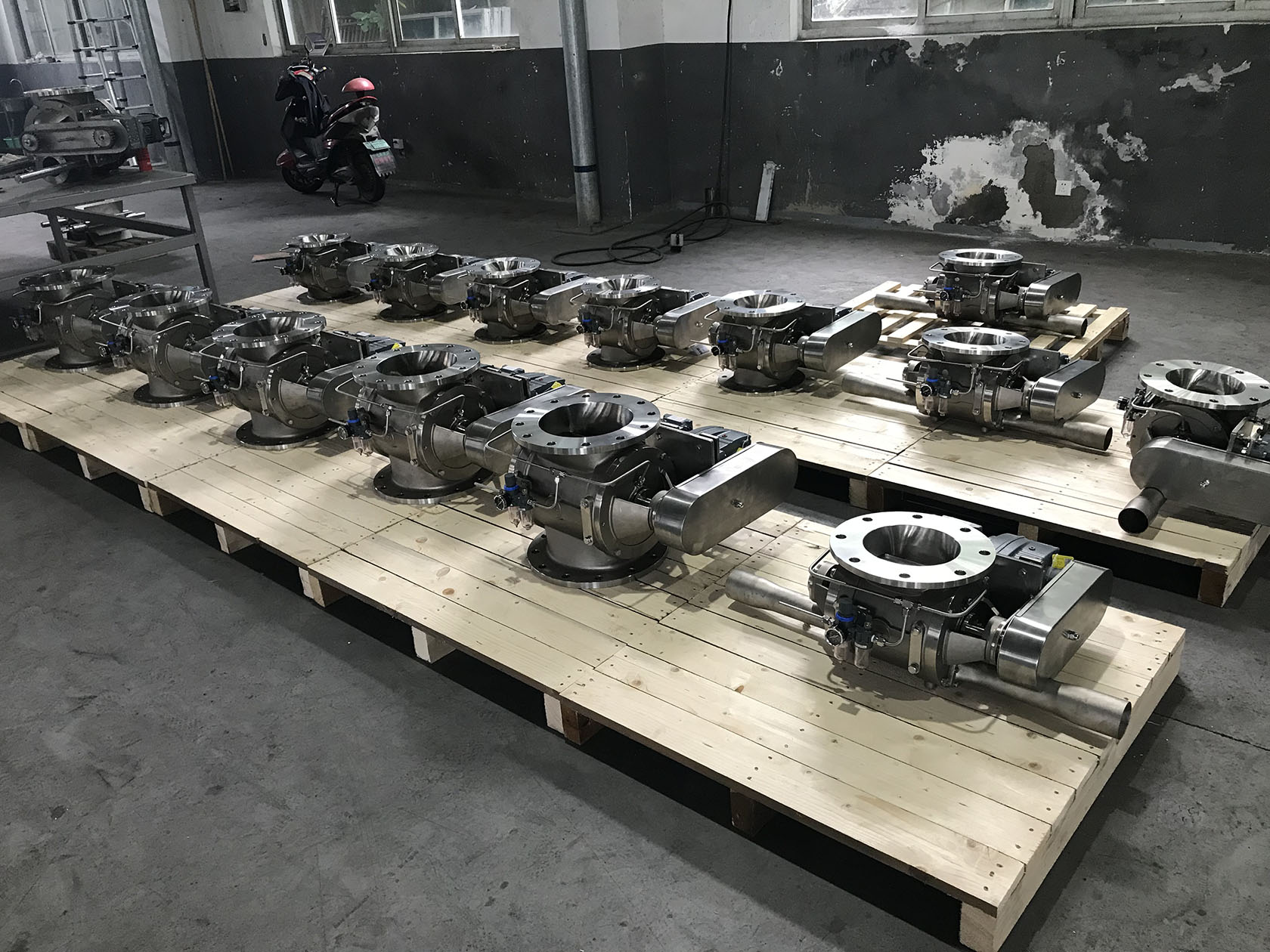
A rotary valve is a mechanical device central to high-efficiency bulk material handling that regulates the flow of granular products by rotating a vaned rotor within a housing. This design allows it to feed material from a silo into a processing line while maintaining a pressure seal. By isolating differential pressure zones, the unit maintains the pneumatic powder conveying system’s efficiency and prevents costly air leakage.
Common Applications of Rotary Valves
Rotary valves are used across diverse industrial sectors by aligning specific configurations with distinct material-handling requirements.
1. Grain Handling
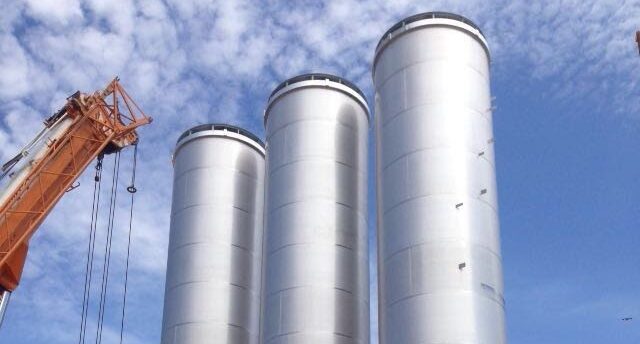
Grain handling applications typically rely on a specialised pneumatic rotary valve with a smooth, narrow internal geometry. This specific design reduces shear forces and prevents detrimental heat build-up by minimising the crushing of delicate kernels during transfer.
This level of precision is necessary because incorrect valve specifications often lead to product degradation and may pose severe safety hazards in storage silos.
For these reasons, these specialised units are a standard requirement across the agricultural sector, serving feed mills, breweries, and large-scale grain storage facilities where maintaining product integrity is non-negotiable.
2. Powder Transportation
Precise flow control of fine ingredients relies on the blow-through rotary valve. This type of rotary valve connects directly to the conveying line, allowing air to sweep through the rotor pockets and clear material efficiently. Often, specific configurations also utilise offset ports to manage the flow without compacting the product.
Achieving the best way to transfer powder starts with preserving product quality. Maintaining the integrity of fine powder is the highest priority, yet moving particulates at high velocities causes wear. This presents a difficult conflict because the equipment must handle the product gently while simultaneously resisting high-velocity abrasion. Therefore, the internal housing must provide substantial abrasion resistance paired with precise speed control to prevent product degradation throughout the transfer process.
As a result, the blow-through design is indispensable for sectors such as milling and baking where maintaining consistent product quality is non-negotiable.
3. Dairy Industry
To meet the rigorous hygiene demands of the dairy sector, solutions often utilise AL- and BL-type rotary valves. These valves are engineered with smooth, rounded rotor pockets to eliminate sharp corners where bacteria might otherwise thrive.
Specialised shaft sealants are integrated to protect the product from external contaminants. The design also prioritises preventing bacterial growth, ensuring cleaning protocols are verifiable. Therefore, smooth stainless steel surfaces are utilised to facilitate thorough Cleaning In Place (CIP) procedures.
This configuration is indispensable throughout the food and beverage manufacturing sector, particularly in dairy and pharmaceutical environments where strict regulatory compliance is mandatory.
4. Dust Collection
The dust collector rotary valve serves as a robust airlock, an essential component of filtration systems. It safely discharges collected particulates from the hopper while strictly maintaining the system’s negative pressure.
Preserving this seal is central to how industrial dust collectors work because air leakage immediately reduces fan efficiency and compromises the entire collection process. To withstand the demands of continuous operation, these units typically feature durable cast-iron housing. This rugged construction is frequently paired with stainless-steel tips on the rotor blades to create a tighter seal against the housing wall.
A geared motor is then integrated to provide consistent torque, which prevents jamming under heavy loads. This specialised configuration is standard across all industrial sectors using pneumatic conveying, from power generation to food processing.
Choose the Right Valve for Your Process

Selecting the correct type of rotary valve helps prevent costly issues such as product leakage, material degradation, and frequent maintenance stoppages. Protecting your bottom line and operational efficiency requires an expert partner in pneumatic powder conveying systems.
Pneu Powders Systems delivers integrated engineering solutions that look beyond standard component supply. Our team meticulously analyses your specific material characteristics and throughput requirements, using that data to specify equipment that guarantees long-term reliability.
Contact our engineering team today to discuss a solution tailored to your production goals.